
The article explores how Aeroseal duct sealing can reduce air leaks, limit unwanted particles entering HVAC systems, and improve home comfort and efficiency.
KEY HIGHLIGHTS
- Leaky air ducts can allow dust, insulation particles, and other contaminants to enter an HVAC system from attics, crawl spaces, and wall cavities.
- Aeroseal duct sealing closes many small leaks inside the ductwork, reducing unwanted airflow and improving HVAC efficiency.
- Evaluating and sealing duct leaks before upgrading HVAC equipment can help homeowners address existing airflow problems and improve overall comfort.
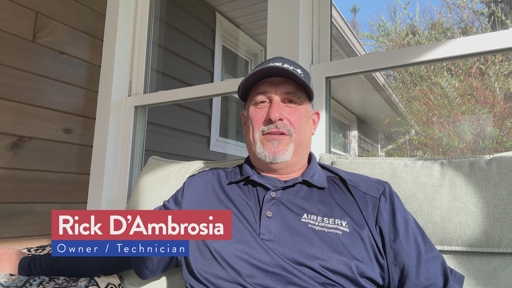
BROCKPORT, N.Y., Nov. 19, 2026 /PRNewswire/ — Can Aeroseal improve indoor air quality in a home? A HelloNation article answers this question with insights from Rick D’Ambrosia, HVAC Expert of Brockport, New York, with Aire Serv of Rochester. The article explains how leaky air ducts can affect the air circulating throughout a home and why Aeroseal duct sealing may be an important part of improving indoor air quality and HVAC system performance.
How Do Leaky Air Ducts Affect Indoor Air Quality?
Air ducts distribute heated and cooled air throughout a home, but gaps, cracks, and loose connections can interfere with that process. The HelloNation article explains that certain duct leaks can draw air from surrounding spaces into the HVAC system, potentially introducing unwanted particles into the air circulating through living areas.
Attics, crawl spaces, basements, and wall cavities may contain dust, insulation particles, and other contaminants. When ductwork connects to these spaces through leaks, unfiltered air may enter the system and worsen indoor air quality.
Rick D’Ambrosia, an HVAC Expert with Aire Serv of Rochester, is featured as a source of insights on why ductwork condition matters. Sealing leaky air ducts can help reduce pathways for unwanted particles while supporting more consistent airflow throughout the home.
How Does Aeroseal Duct Sealing Work?
The article describes Aeroseal as a technology designed to seal many small duct leaks from inside the ductwork, including openings that may be difficult to access using traditional sealing methods.
During the Aeroseal process, technicians temporarily block vents and introduce specialized sealant particles into the duct system. As air escapes through openings, the particles collect around the leak edges and gradually form a seal.
This process can help address hidden leaks without requiring technicians to access every small opening directly.
The HelloNation article explains that one potential benefit of Aeroseal duct sealing is reducing the amount of unfiltered air entering the HVAC system. When leaks connect ductwork to dusty or poorly maintained spaces, sealing those openings can limit unwanted airborne particles.
However, the article emphasizes that results depend on the location of duct leaks, the condition of the ductwork, and other factors affecting indoor air quality.
Can Aeroseal Improve HVAC Efficiency and Home Comfort?
Beyond its potential indoor air quality benefits, Aeroseal duct sealing can help address airflow losses that affect HVAC efficiency.
When conditioned air escapes through leaky air ducts before reaching occupied rooms, the HVAC system may need to operate longer to maintain the desired temperature. This wasted airflow can contribute to uneven heating and cooling, higher energy use, and added strain on HVAC equipment.
The article explains that reducing duct leakage can help more conditioned air reach its intended destination, potentially improving temperature consistency and overall system performance.
D’Ambrosia’s insights also highlight why homeowners should consider evaluating ductwork before investing in new heating or cooling equipment. Even an efficient HVAC system may struggle to maintain consistent comfort if significant duct leaks remain unresolved.
Is Duct Sealing Enough to Improve Indoor Air Quality?
The HelloNation article makes clear that duct sealing is only one component of a broader indoor air quality strategy.
Household activities and conditions, including cooking, cleaning products, pets, moisture, and outdoor air, can introduce pollutants into living spaces. Although Aeroseal may help reduce certain sources of unwanted air entering ductwork, it cannot eliminate every cause of indoor air pollution.
Effective filtration, proper ventilation, humidity control, and regular HVAC maintenance remain important for maintaining healthier indoor conditions.
The article also recommends professional duct inspections to determine whether sealing is appropriate. Some duct systems may have disconnected sections, damaged materials, or other problems that require additional repairs.
Testing duct leakage before and after sealing can help measure improvements and determine how effectively the process addressed existing openings.
Ultimately, the article explains that Aeroseal can support improved indoor air quality and HVAC efficiency by reducing unwanted air movement through ductwork. When combined with appropriate filtration, ventilation, and routine system maintenance, duct sealing can help create a more comfortable, efficient home.
Can Aeroseal Improve Indoor Air Quality? Features insights from Rick D’Ambrosia, HVAC Expert with Aire Serv of Rochester, in HelloNation.
FREQUENTLY ASKED QUESTIONS
Does Aeroseal Improve Indoor Air Quality?
According to Rick D’Ambrosia, HVAC Expert with Aire Serv of Rochester, Aeroseal duct sealing can help improve indoor air quality by reducing pathways through which dust, insulation particles, and unfiltered air enter ductwork. Its effectiveness depends on leak locations and other sources of indoor air pollution.
How Do Leaky Air Ducts Affect the Air Inside My Home?
The HelloNation article explains that leaky air ducts can draw air from attics, crawl spaces, basements, and wall cavities into an HVAC system. These spaces may contain dust and other contaminants that can circulate throughout the home. Sealing duct leaks can help limit this unwanted airflow.
Should Homeowners Seal Duct Leaks Before Upgrading Their HVAC System?
D’Ambrosia’s insights emphasize the value of evaluating ductwork before installing new HVAC equipment. Significant duct leaks can continue to cause airflow losses and uneven temperatures even after an equipment upgrade. Addressing those leaks first may help the new system operate more effectively.
Can Aeroseal Help Lower Energy Consumption?
The article explains that Aeroseal duct sealing can improve HVAC efficiency by reducing heated or cooled air escaping through duct leaks. With less conditioned air being lost, the HVAC system may operate more efficiently, although actual energy savings depend on the home’s ductwork and system conditions.
Does Aeroseal Replace Air Filters or Regular HVAC Maintenance?
No. According to the HelloNation article, Aeroseal addresses certain duct leakage problems but does not eliminate all sources of indoor air pollution. Air filtration, proper ventilation, humidity management, and regular HVAC maintenance remain essential parts of an effective indoor air quality strategy.
About HelloNation
HelloNation is America’s Good News Network, a premier media platform built on the idea that good news travels faster when real people tell real stories. Through its community-focused publications and innovative “edvertising” approach, HelloNation delivers content that informs, inspires, and spotlights the leaders making a meaningful impact in their communities.
SOURCE HelloNation


More Stories
GCM Announces January 2027 Premiere of Documentary "SHEEP AMONG WOLVES: The Untelevised Revolution"
Her 16-Page Booklet Sold More Than Two Million Copies. Now Paulette Ensign Will Teach Five Ways to Turn Expertise into Income
Neo7Bioscience Highlights Anna and Jerry Engelhard's Stage IV Cancer Journey on Health Uncensored with Dr. Drew